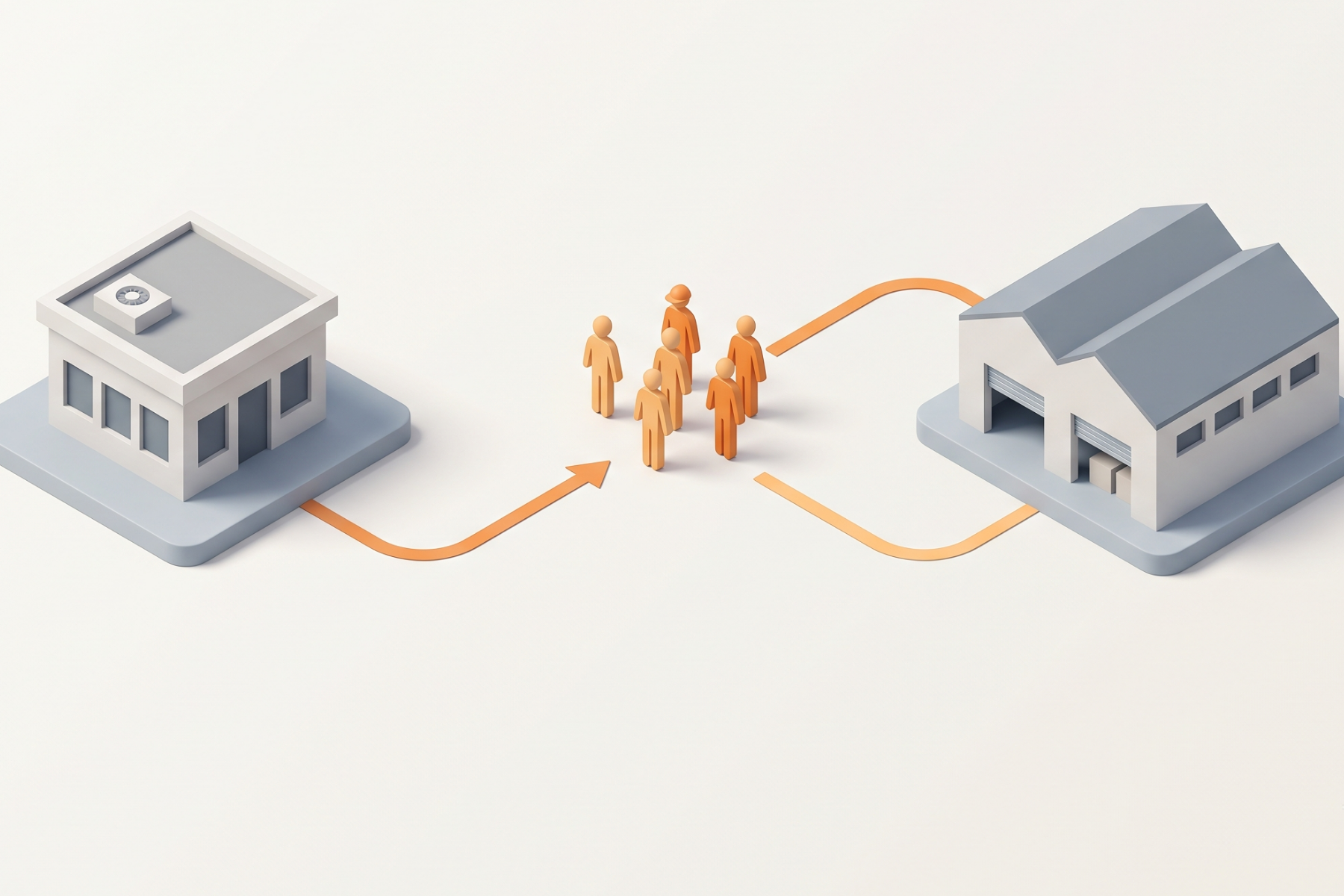
Casual conversion is the process that allows an eligible casual employee to change to permanent full time or part time employment. Under the current rules, this happens through the employee choice pathway in the Fair Work Act. Eligible casuals can give their employer written notice that they want to convert, and the employer must respond in writing within 21 days and can only refuse on limited grounds. This guide explains how the pathway works in 2026, who is eligible, and what both casuals and employers need to know.
Please note that this article is general information only and is not legal advice. For guidance on your specific situation, refer to the Fair Work Ombudsman or seek professional advice.
What Is Casual Conversion?
Casual conversion is the formal process of changing a casual employee to permanent employment under the National Employment Standards. A casual and an employer can always agree to make the change at any time by mutual agreement. The employee choice pathway exists for situations where the casual wants to initiate the change themselves, and it gives them a legal process their employer must follow.
The current framework came out of the Closing Loopholes reforms to the Fair Work Act. Those reforms replaced the old system, where employers had to offer conversion after 12 months, with a pathway driven by the employee’s own choice. The new rules also introduced an updated definition of casual employment based on the real substance and practical reality of the working relationship, not just the words in the contract.
Who Is Eligible for the Employee Choice Pathway?
A casual employee can give their employer a conversion notice if two conditions are met. First, they must have been employed for at least 6 months, or at least 12 months if their employer is a small business with fewer than 15 employees. Second, they must believe they no longer meet the legal definition of a casual employee, which broadly means their work now looks like an ongoing commitment with regular patterns rather than genuinely flexible casual engagement.
There are some restrictions worth knowing. An employee generally cannot give a notice if they are in a current dispute with their employer about conversion, or if in the previous 6 months the employer refused an earlier notice or a conversion dispute was resolved. If you regularly work the same shifts each week and your employer relies on you being there, you may have grounds to believe your employment is no longer truly casual.
How Does a Casual Request Conversion?
The process starts with the employee giving written notice to their employer stating that they want to change to permanent employment. The Fair Work Ombudsman publishes a free notification template and checklist that makes this simple. The notice should state whether the employee is seeking full time or part time hours, usually reflecting the pattern they have actually been working.
Before responding, the employer must consult with the employee about the notice. This consultation covers what would change if the notice is accepted, including the new employment status, hours of work, and the practical effect of moving from casual to permanent terms.
What Must Employers Do When They Receive a Notice?
Employers must respond in writing within 21 days of receiving the notice, and they must consult with the employee before responding. If the employer accepts, the response confirms whether the employee is becoming full time or part time, their new hours, and the date the change takes effect. Conversion is not backdated, so entitlements like annual leave begin accruing from the change date.
An employer can only refuse on limited grounds. These include situations where the employee still genuinely meets the definition of a casual, where accepting would breach a fair and reasonable operational requirement, or where the change would not comply with recruitment or selection processes required by law. A refusal must be explained in writing, and unresolved disputes can be taken to the Fair Work Commission. Employers who receive a notice should treat the 21 day window seriously and document their consultation properly.
What Changes When a Casual Becomes Permanent?
Converting is a genuine trade, and both sides of it deserve honest consideration. The employee gives up their casual loading, which is commonly 25 percent on top of the base rate, because that loading exists to compensate for the entitlements casuals do not receive. In exchange, they gain paid annual leave, paid personal and carers leave, paid public holidays where they would normally work, notice of termination, and access to redundancy pay.
They also gain predictability. Permanent employment means agreed ongoing hours, greater job security, and easier access to things like home loans that reward stable income. For many long term casuals already working regular patterns, conversion formalises the stability they already have in practice while adding leave and protections on top.
Should You Convert? Questions for Casuals to Consider
Think about how much you rely on the flexibility casual work gives you, because permanent employment comes with an ongoing commitment to your agreed hours. Consider whether your take home pay matters more right now than paid leave and security, since losing the loading reduces your hourly rate. Look at your actual work pattern over the past 6 months, because if it already looks permanent, you may be carrying the risks of casual work without enjoying its flexibility.
There is no universally right answer. The pathway exists to give you the choice, and the better you understand the trade, the better your decision will be.
What This Means for Employers
Employers with long term casuals should audit their casual workforce now rather than waiting for notices to arrive. Identify who has passed the 6 month or 12 month mark, whose work patterns look regular and systematic, and how you would respond to a conversion notice for each of them. Update your onboarding so casuals receive the Casual Employment Information Statement at the required times, and brief your managers so a notice is never missed or mishandled.
Handled well, conversion is not a threat to workforce flexibility. It is an opportunity to lock in proven performers as committed permanent team members, which is often cheaper than replacing them.
Get the Casual Mix Right With Impact HR Group
Impact HR Group helps businesses design workforces that balance permanent stability with casual flexibility, supported by labour hire, temp recruitment, and permanent recruitment. For a full breakdown of what casuals are and are not entitled to, read our companion guide on casual employment benefits and entitlements.
Frequently Asked Questions
Can a casual employee become permanent in Australia?
Yes. A casual can convert by agreement with their employer at any time, or through the employee choice pathway after 6 months of employment, or 12 months with a small business employer, if they believe their employment no longer meets the casual definition.
How long before a casual can request permanent employment?
The minimum period is 6 months of employment, or 12 months if the employer is a small business with fewer than 15 employees.
Can an employer refuse a casual conversion request?
Yes, but only on limited grounds, such as the employee still genuinely being a casual or fair and reasonable operational reasons. The refusal must be provided in writing within 21 days, and disputes can go to the Fair Work Commission.
Do converted employees keep their casual loading?
No. On conversion, the casual loading stops and the employee moves to the permanent rate for their role, with paid leave and other permanent entitlements applying from the conversion date.
Does casual conversion happen automatically?
No. Conversion only occurs when the employee gives written notice and the employer accepts, or when both parties agree to the change. Nothing changes automatically at 6 or 12 months.
Questions about structuring your casual workforce? Contact Impact HR Group today.